Blog post
Dibek coffee: what it is and how it differs from regular Turkish coffee
Dibek coffee is Turkish coffee made from beans pounded in a dibek, a large mortar of stone, wood or marble, instead of being milled. The pounded grounds are usually coarser than milled coffee, and descriptions of the taste vary. Packaged products sold under the name can be flavored blends, so read the ingredient list.
By Ahmet Kırtok · Updated November 26, 2026 · 5 min read
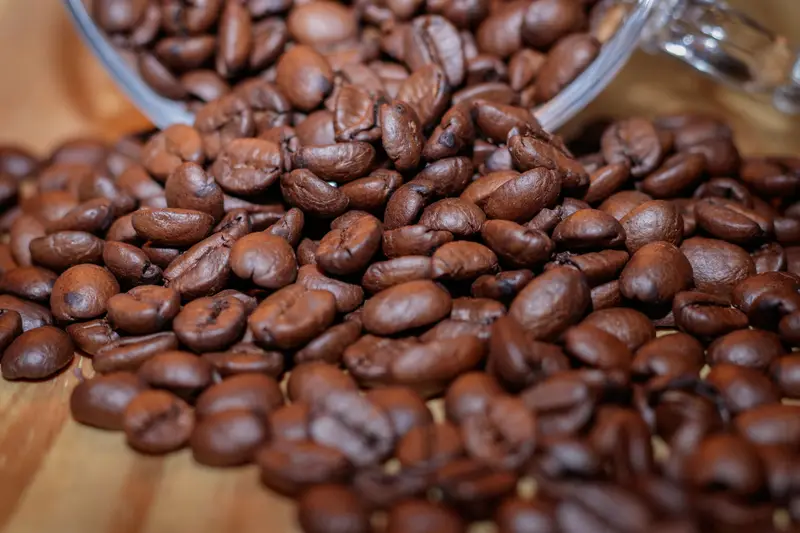
What is a dibek?
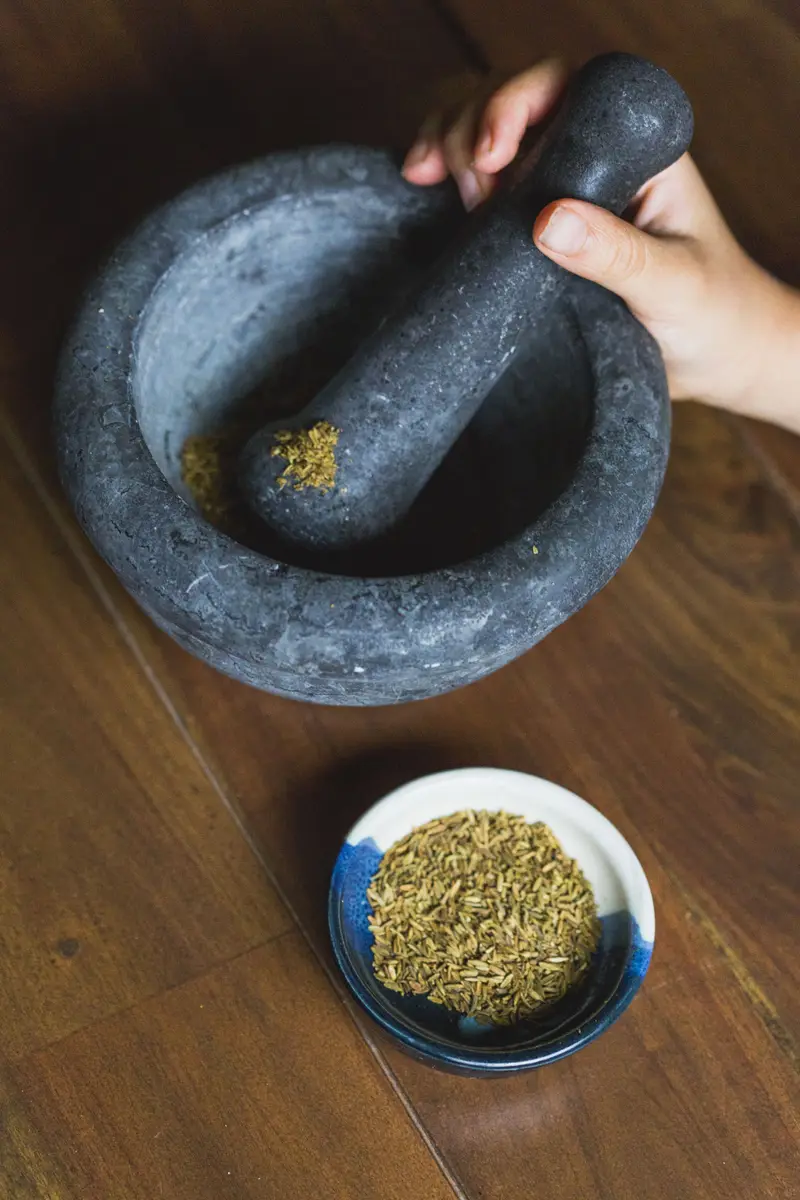
A dibek is a large mortar. Roasted beans go in and are crushed with a heavy pestle, by hand, until they break down into grounds. Kurukahveci Mehmet Efendi, the Istanbul roaster that dates its business to 1871, describes the dibek as handmade from wood, marble or stone, alongside a cast-bronze mortar called a havan.
Before brass hand mills became common, pounding was one of the ordinary ways to turn roasted beans into something you could brew. So the word describes a tool and a technique. It does not name a bean, a roast or a region, although several Turkish regions are known for keeping the practice alive.
How is dibek coffee different from regular Turkish coffee?
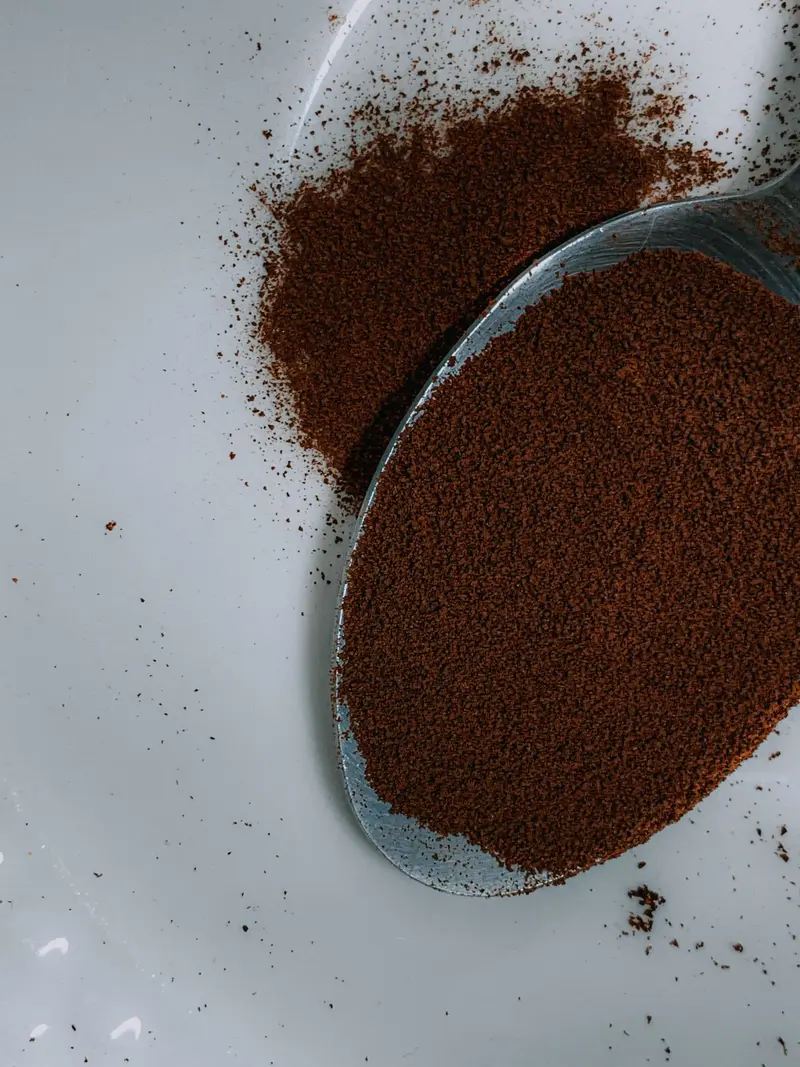
The difference is in how the beans are broken. A mill cuts and shears beans into a uniform powder. A mortar crushes them. A 2023 survey of Turkey's local coffees in the Journal of Ethnic Foods describes coffee pounded in a stone dibek as coarse-grained and not a powder, though an earlier Turkish review describes the pounding as continuing until the coffee is fine, so the result clearly varies. Brewing is usually the same: the grounds are brewed with cold water in a cezve (JEZ-veh), the pot many English speakers call an ibrik.
| Standard Turkish coffee | Traditional dibek coffee | |
|---|---|---|
| How beans are broken | Milled | Pounded in a mortar |
| Grind | Very fine, even powder | Usually coarser, less uniform |
| Brewing | Cezve, cold water, slow heat | Usually the same |
| Ingredients | Coffee only | Coffee only, when it is the traditional kind |
The 2023 survey says pounding brings out the bean's aromatic oils and helps protect the foam. We could not find a laboratory comparison that measures this, so treat it as the traditional explanation. The same survey records places in Gaziantep and İzmir where dibek coffee is cooked in the cup instead of in a cezve.
If you want to understand why standard Turkish coffee is ground as fine as it is, the grind guide covers particle size in detail.
What does dibek coffee taste like?
Descriptions disagree, so taste before you trust any of them. The Turkish appliance maker Arçelik, in its guide to coffee styles, calls dibek coffee more intense and aromatic than standard Turkish coffee. Sellers of blended products often promise a milder, creamier cup, which may say more about what is in the blend. We found no measured comparison, and the result will vary with the beans and the roast.
One caution about what you may read elsewhere: claims that dibek coffee is easier on the stomach or better for health are common in marketing copy. We found no reliable evidence for them and do not repeat them as fact.
Why do some dibek coffees contain other ingredients?
Because "dibek coffee" on a retail package can mean a flavored blend as well as pounded pure coffee. One regional variant is documented in the 2023 survey: a Syriac dibek coffee from Mardin that includes cardamom. For packaged products we have no scholarly catalog of what goes in, and blends differ by brand, so the ingredient list on the jar is the evidence that counts.
This is the single most useful thing to know before you buy. Two jars with the same word on the front can hold very different products:
- Pounded pure coffee. The traditional article. One ingredient.
- A flavored coffee mix. Coffee plus whatever else the label lists. It can be a pleasant drink, but it is a different thing.
Neither is wrong to sell or to like. They simply should not be confused. If the label lists more than coffee, you are buying a blend, and the pounding that gave the drink its name may or may not be part of how it was made.
How do you brew dibek coffee at home?
Brew it the way you brew any Turkish coffee: coffee and cold water in a cezve, sugar added at the start if you want it, low heat, and off the heat as the foam rises. For a flavored blend, follow the amounts on the package, since mixes vary.
- Check the label. If it is a blend that already contains sugar, do not add more.
- Measure the amount the package recommends for one cup. With pure dibek coffee, start with the amount you use for regular Turkish coffee.
- Stir once in cold water, then heat slowly without stirring again.
- Pour gently as the foam rises, and let the cup rest a minute before drinking.
Our brewing guide gives the full method with measurements, and the guide to choosing coffee explains what to look for in beans and roasts.
Where does dibek coffee come from?
The technique is old and widespread, and no single town owns it. The 2023 Journal of Ethnic Foods survey records it in Kırklareli, where one coffeehouse is said to have prepared it for 142 years, on Gökçeada in Çanakkale, in and around İzmir, in Gaziantep and, as Syriac dibek coffee, in Mardin.
Can you find dibek coffee in the United States?
Sometimes. One example we verified on November 24, 2026: Oromo Cafe in Chicago lists a dibek coffee on its ordering menu. We have not confirmed any US coffee shop that pounds its own beans. If a US menu lists dibek coffee, it is reasonable to ask whether it is pure coffee or a house blend.
We record brewing details in our directory only when a source confirms them, and we do not guess. To find places that serve cezve-brewed coffee near you, start with our map. For two other regional drinks often shelved beside dibek coffee, read about menengiç coffee, which contains no coffee at all, and mırra, the bitter coffee of the southeast. Unfamiliar terms are defined in the glossary.
Sources
- Kurukahveci Mehmet Efendi: Traditional tools (dibek, havan, hand mills)
- Demir, Y. and Bertan, S. (2023), Spatial distribution of Türkiye's local Turkish coffee kinds, Journal of Ethnic Foods 10:32
- Yönet Eren, F. and Ceyhun Sezgin, A. (2018), Kültürel miras açısından Türk kahvesi (Turkish coffee in terms of cultural heritage), Turkish Studies 13/10, pp. 697–712
- Arçelik blog: Geleneksel Türk kahvesi çeşitleri (appliance maker's description of dibek coffee)
- Oromo Cafe, Chicago: online ordering menu (lists a dibek coffee)
- UNESCO: Turkish coffee culture and tradition (inscribed 2013)